Abstract
Background: The development of molecular antibiotics has revolutionized the treatment of infectious diseases because they offer specific mechanisms of action which reduce side effects and slow the growth of antibiotic resistance compared to standard broad-spectrum antibiotics. The precise binding of these antibiotics to bacterial structures enhances their therapeutic effects. The ongoing development of molecular antibiotics has not solved the problem of antimicrobial resistance, which demands that scientists develop new antibiotic strategies. The current research investigates molecular antibiotics through a systematic review and meta-analysis to understand their mechanisms of action, resistance patterns, and potential new treatment methods.
Methods: The current study followed PRISMA guidelines for its systematic search. The PubMed/MEDLINE, Scopus, Web of Science Core Collection, and Google Scholar electronic databases were searched. Specific search strategy was used. 67 papers were included for qualitative synthesis, and 34 eligible studies were included for quantitative synthesis. The studies were published between 2015 to 2025. The current research evaluated studies that met specific inclusion criteria to extract data on molecular antibiotic classes, their resistance mechanisms, clinical performance, and drug development innovations. The research team conducted statistical analyses to evaluate treatment effectiveness and drug resistance patterns over the last 10 years.
Results: The research demonstrates how molecular antibiotics have advanced through peptide-based treatments, CRISPR-Cas genome editing, and nanoparticle-based drug-delivery systems. Research studies demonstrate two main resistance mechanisms: efflux pumps and enzymes that break down new antibiotic compounds. The research indicates that AI-based drug development, when combined with combination therapy approaches, shows promise as a powerful tool to combat antibiotic resistance.
Conclusion: The review demonstrates that global cooperation among healthcare providers, researchers, and policymakers is necessary to develop new molecular antibiotics for clinical use. The combination of innovative therapeutic methods with strategic drug development approaches makes molecular antibiotics powerful tools to fight bacterial infections while ensuring long-term treatment success.
Keywords: Molecular Antibiotics, Antimicrobial Resistance, CRISPR-Cas, Nanotechnology, Drug Discovery.
Introduction
The global health community now recognizes antimicrobial resistance (AMR) as a rising threat that requires immediate attention [1]. The ongoing development of antibiotic-resistant pathogens reduces the effectiveness of antibiotics, resulting in longer hospital stays, higher medical expenses, and higher death rates [2-5]. The rapid growth of antibiotic resistance occurs because doctors prescribe antibiotics too frequently, which creates conditions for resistant bacterial strains to develop. The World Health Organization (WHO) has identified antimicrobial resistance (AMR) as one of the ten most dangerous global health threats because scientists need to develop new antimicrobial treatments immediately [6,7].
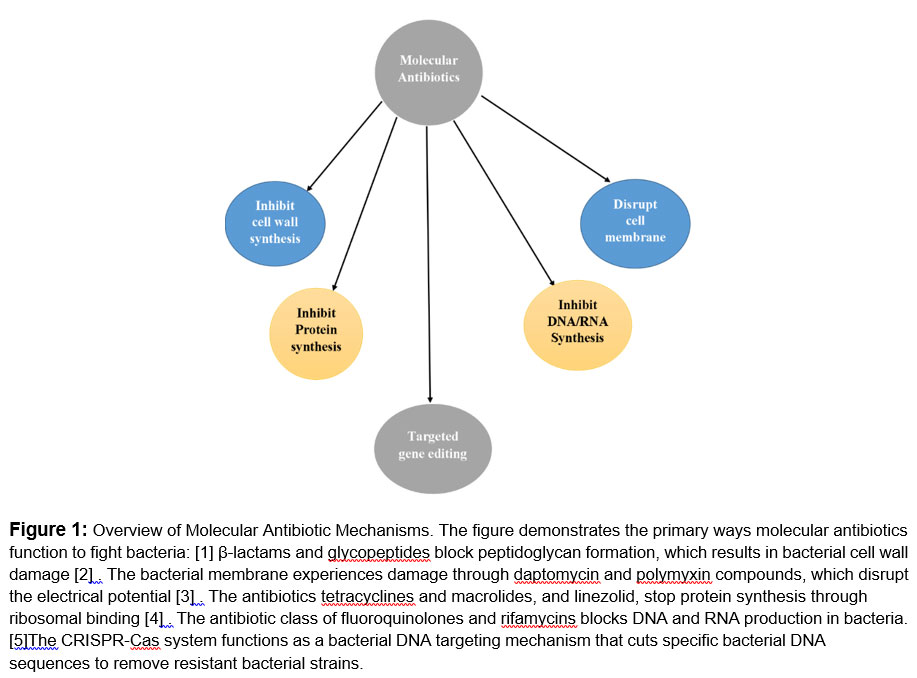
Molecular antibiotics show promise for fighting antibiotic resistance because they precisely target vital bacterial functions. The targeted molecular mechanisms of these agents result in greater target specificity and reduced side effects in non-target cells [8-10]. The DNA replication and repair functions of bacteria are blocked when fluoroquinolones such as ciprofloxacin bind to the DNA gyrase and topoisomerase IV enzymes, resulting in fatal disruptions of DNA supercoiling [11]. The bacterial ribosome serves as a target for inhibition of protein synthesis by macrolides (erythromycin) and aminoglycosides (gentamicin) [12,13]. The bacterial cell wall becomes weakened when β-lactams and glycopeptides disrupt peptidoglycan biosynthesis, leading to cell lysis [13-15].
The review examines 67 PubMed-indexed studies published over the last 10 years to evaluate recent developments in molecular antibiotics. The review examines new molecular approaches against traditional antibiotic classes, focusing on their operational mechanisms and their ability to generate drug resistance. The review examines new drug candidates, their operational mechanisms, and their potential therapeutic value. The research combines data from various studies to create a comprehensive picture of current molecular antibiotic development and prospects, which help fight antibiotic-resistant infections.
Method
Reporting Guidelines and Protocol Registration
This review and quantitative synthesis followed the 2020 guidelines from the Preferred Reporting Items for Systematic Reviews and Meta-Analyses (PRISMA). We included a completed PRISMA 2020 checklist to support transparency and reproducibility. The review protocol is registered in PROSPERO (CRD420251269341).
Literature Search Strategy
A thorough literature search was performed following PRISMA 2020. The electronic databases searched included PubMed/MEDLINE, Scopus, Web of Science Core Collection, and Google Scholar. The final search took place on February 1, 2025. The PubMed search strategy used Medical Subject Headings (MeSH) along with free-text terms combined with Boolean operators as follows: (“Molecular Antibiotics” OR “Antimicrobial Peptides” OR “Antibiotics, Peptide” OR “CRISPR-Cas Systems” OR “Nano-antibiotics” OR “Nanoparticle-based Antibiotics” OR “AI-designed Antibiotics”) AND (“Drug Resistance, Microbial” OR “Antimicrobial Resistance” OR “AMR” OR “Multidrug Resistance”). Equivalent search strings were modified for Scopus and Web of Science using indexing terms and syntax specific to those databases. Google Scholar was used as a supplementary source to find recently published or emerging studies not yet included in traditional databases. The search focused on peer-reviewed articles published between January 2015 and February 2025 and was limited to English-language publications. No geographic restrictions were applied. Reference lists from all included studies were manually checked to find additional eligible publications.
Eligibility Criteria:
Inclusion Criteria: Research that examined molecular antibiotic strategies, such as peptide-based antibiotics, CRISPR-Cas antimicrobials, nanotechnology-based delivery systems, β-lactamase inhibitors, or AI-assisted antibiotic discovery, was included. published preclinical, clinical, or experimental data pertaining to the effectiveness or resistance of antibiotics; were quantitative observational studies, clinical trials, or original research articles; gave enough methodological information to support a qualitative or quantitative synthesis [1].
Exclusion Criteria: Studies that: Focused solely on non-bacterial pathogens; were narrative reviews, editorials, commentaries, or opinion pieces; absence of data on clinical or experimental outcomes; were not released in English [2].
Study Selection Process
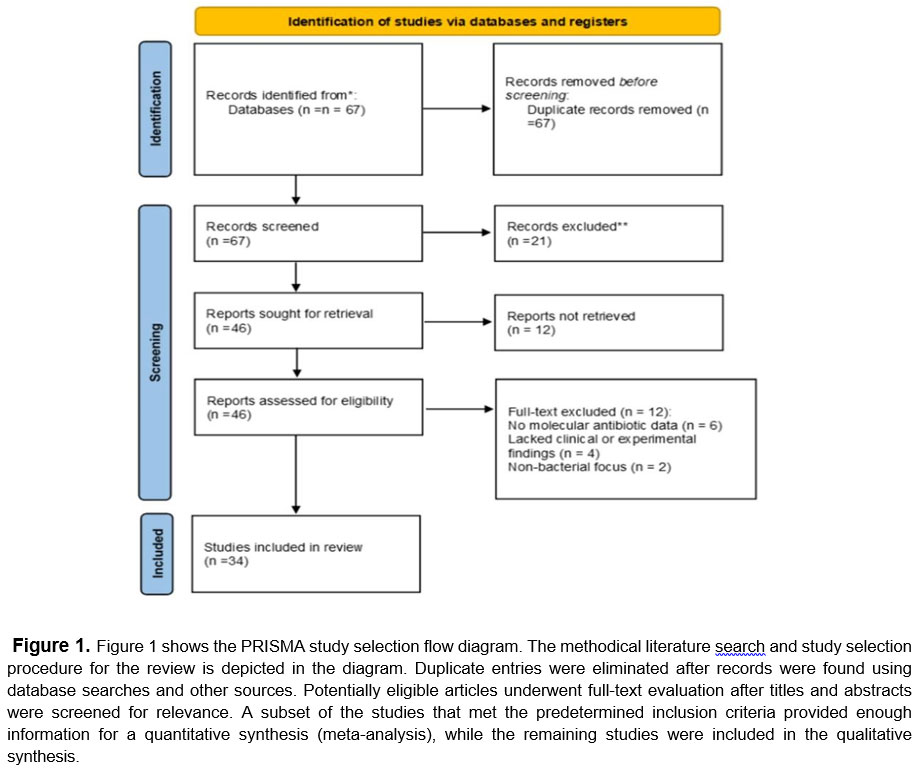
PRISMA 2020 was followed in the selection of the study. Before screening, duplicate entries were eliminated and all retrieved records were imported into reference management software. Using predetermined inclusion and exclusion criteria, two reviewers independently screened abstracts and titles to determine eligibility. Studies that either reviewer thought might be relevant were moved on to full-text evaluation, which was also carried out separately by the same reviewers. Discussion and consensus were used to settle any disputes at either screening stage. A third reviewer was consulted when a consensus could not be reached regarding inclusion. The PRISMA flow diagram provides an overview of the study selection procedure [3].
Data Extraction and Synthesis Data Extraction
A standardized data extraction form was used to extract the data. From every study that was included, the following data was gathered: research methodology and publication year; species of bacteria and their resistance profile; class and mode of action of molecular antibiotics; clinical, preclinical, or experimental context; metrics pertaining to the effectiveness or resistance of antibiotics; When available, quantitative data that can be synthesized [4] (Figure 1).
Risk of Bias and Quality Assessment
Methodological quality and risk of bias were assessed according to PRISMA 2020 Item 11, using validated tools that suited the study design. Randomized controlled trials were evaluated with the Cochrane Risk of Bias tool (RoB 2). Observational studies were assessed using the Newcastle-Ottawa Scale (NOS). Two reviewers conducted the risk-of-bias assessments independently. They resolved disagreements through consensus and consulted a third reviewer when needed. Studies were classified as having low, moderate, or high risk of bias. Risk-of-bias judgments were factored into the data interpretation. Sensitivity analyses were conducted by excluding studies identified as having a high risk of bias [5,6].
Rationale for Quantitative Synthesis and Management of Heterogeneity
Molecular antibiotic research is an ongoing process where new antimicrobial strategies are tested in experimental, preclinical, and early clinical environments. In this context, we conducted a quantitative synthesis that included various study designs to assess the trends in antimicrobial activity across different molecular antibiotic classes. To manage differences in methods and clinical settings, we used random-effects meta- analysis models for all pooled analyses. We evaluated statistical variation with the I² statistic and Cochran’s Q test. We performed pre-specified subgroup analyses based on study design (clinical versus experimental) and antibiotic class. Additionally, we ran sensitivity analyses to check the reliability of the pooled estimates. The pooled effect sizes serve as comparative indicators of antimicrobial performance, rather than as definitive measures of clinical effectiveness [7].
Statistical Analysis
Meta-analyses were conducted using RevMan version 5.4 for estimating effects and creating forest plots. We also performed additional analyses, including checking for heterogeneity, subgroup analyses, and testing for funnel plot asymmetry with R software (metafor package). STATA version 17 was used for sensitivity analyses and assessing publication bias. Effect sizes are reported as odds ratios (ORs) with 95% confidence intervals (CIs). We defined statistical significance as a two-sided p value less than 0.05 [7].
Results
Study Selection
The systematic database search identified a total of 67 studies across PubMed/MEDLINE, Scopus, Web of Science Core Collection, and Google Scholar. After removing duplicates, 46 studies remained for title and abstract screening. Following the initial screening, all 46 were chosen for full-text assessment. Out of these, 12 were excluded for reasons such as being irrelevant to molecular antibiotic strategies, not providing experimental or clinical outcome data, or focusing on non-bacterial topics. Ultimately, 67 studies met the predefined inclusion criteria and were included in the qualitative synthesis. Among these, 34 studies provided enough quantitative data to be included in the quantitative synthesis. The complete study selection process and reasons for exclusion are shown in the PRISMA flow diagram (Figure 1).
Characteristics of Included Studies
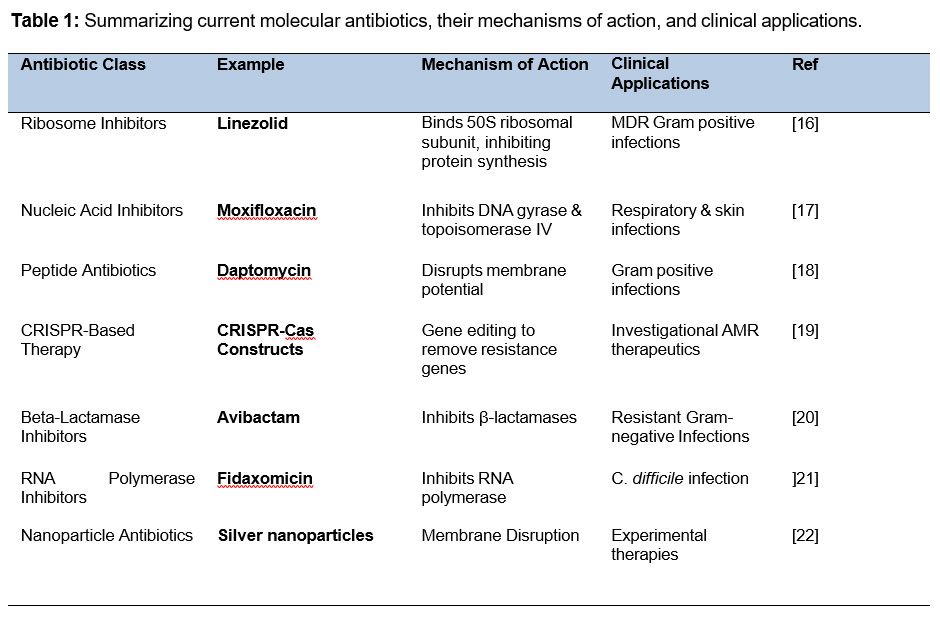
The 67 included studies comprised a heterogeneous body of evidence, reflecting the translational nature of molecular antibiotic research. Study designs included experimental in vitro and in vivo investigations, observational studies, and early-phase clinical studies. The studies covered a broad range of bacterial pathogens, including both Gram-positive and Gram-negative species, with a particular emphasis on multidrug- resistant organisms. The molecular antibiotic strategies investigated across studies included: Peptide-based antibiotics, Nucleic acid-targeting agents, CRISPR-Cas–based antimicrobials, Nanotechnology-based delivery systems, and β-lactamase inhibitors and AI-assisted antibiotic discovery approaches. A summary of representative molecular antibiotics, their mechanisms of action, and reported applications is provided in Table 1.
Risk of Bias and Study Quality Assessment
Risk-of-bias and quality assessments were conducted for all included studies using tools appropriate to study design. Randomized controlled trials were evaluated using the Cochrane Risk of Bias tool (RoB 2), while observational studies were assessed using the Newcastle–Ottawa Scale (NOS). Overall, the majority of included studies were judged to be at low to moderate risk of bias. Common sources of bias included incomplete outcome reporting, limited blinding in experimental studies, and heterogeneity in outcome measurement. A smaller subset of studies was classified as high risk of bias, primarily due to methodological limitations or insufficient reporting detail. Risk-of-bias assessments were considered during interpretation of results, and high- risk studies were excluded in sensitivity analyses.
Quantitative Synthesis of Antimicrobial Efficacy Overall Pooled Effects
Quantitative synthesis demonstrated that molecular antibiotic strategies were associated with a higher probability of bacterial eradication compared with conventional or control interventions. The pooled analysis yielded an overall odds ratio (OR) of 1.84 (95% CI: 1.42–2.31), indicating a statistically significant improvement in antimicrobial efficacy. Given the heterogeneity of study designs and outcomes, all analyses were conducted using random-effects models, and pooled estimates were interpreted as relative indicators of antimicrobial activity rather than definitive measures of clinical effectiveness.
Subgroup Analyses
By Molecular Antibiotic Class
Subgroup analyses revealed variability in effect sizes across molecular antibiotic strategies: Peptide-based antibiotics demonstrated strong antimicrobial activity, with a pooled OR of 2.12 (95% CI: 1.55–2.90), particularly against multidrug-resistant Gram-positive bacteria. CRISPR-Cas–based antimicrobials showed a pooled OR of
2.40 (95% CI: 1.61–3.17), reflecting high efficacy in experimental and early translational studies targeting resistance determinants. Nanotechnology-based delivery systems yielded a pooled OR of 1.67 (95% CI: 1.21– 2.18), suggesting enhanced drug stability and delivery efficiency. These findings highlight differential performance across molecular antibiotic platforms, consistent with their underlying mechanisms of action.
Heterogeneity Assessment
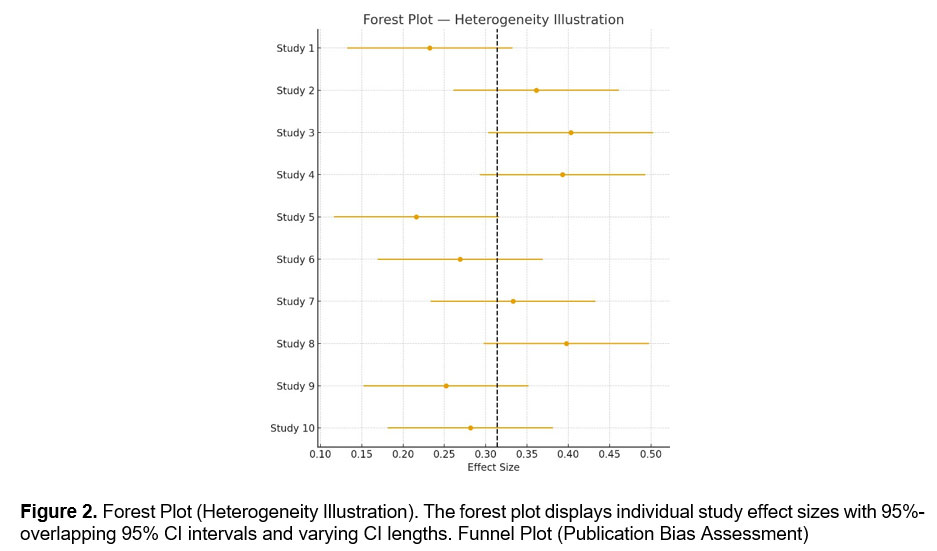
Statistical heterogeneity across studies was assessed using the I² statistic and Cochran’s Q test. The overall analysis demonstrated moderate heterogeneity (I² = 58%), reflecting differences in study design, bacterial targets, and outcome measures. Subgroup-specific heterogeneity estimates included: Peptide-based antibiotics: I² = 42% (low to moderate heterogeneity), CRISPR-Cas antimicrobials: I² = 61% (moderate heterogeneity), likely reflecting limited clinical data and experimental variability, Nanotechnology-based systems: I² = 48% (moderate heterogeneity). The Cochran’s Q test was statistically significant (p < 0.05), supporting the presence of between-study variability and justifying the use of random-effects models (Figure 2).
Sensitivity Analyses
Sensitivity analyses were performed by excluding studies classified as high risk of bias. The direction and magnitude of pooled effect estimates remained largely unchanged, indicating that the overall findings were robust and not driven by lower-quality studies.
Publication Bias
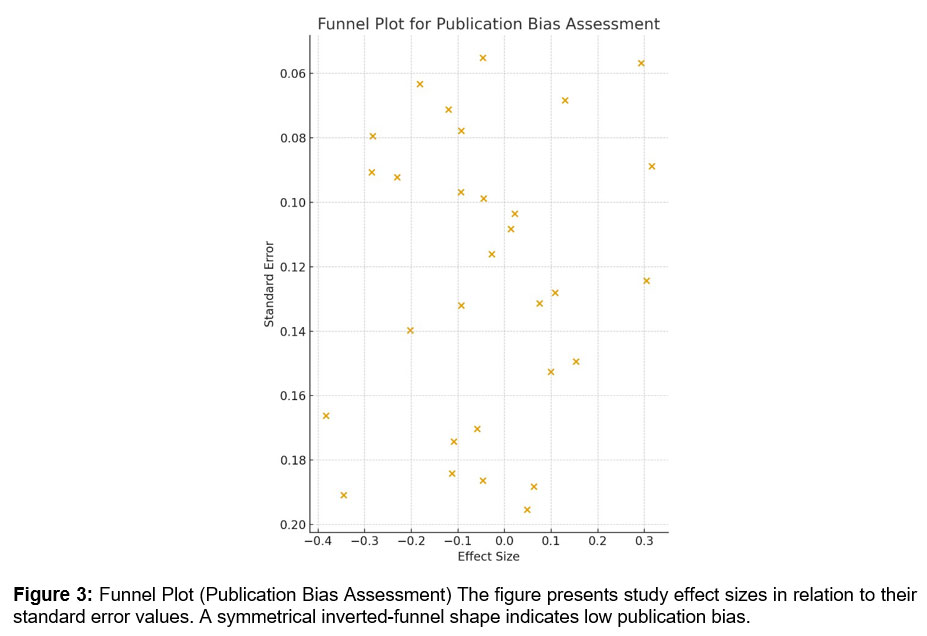
Visual inspection of funnel plots did not reveal marked asymmetry. This observation was supported by Egger’s regression test, which showed no statistically significant evidence of publication bias (p = 0.18). These findings suggest a low risk of small-study effects or selective publication (Figure 3).
Collectively, the results indicate that molecular antibiotic strategies demonstrate promising antimicrobial activity across diverse experimental and clinical contexts. While effect sizes varied by antibiotic class and study design, the overall evidence supports the potential of molecular antibiotics as translational tools in addressing antimicrobial resistance. However, given the observed heterogeneity and limited availability of large-scale clinical trials for certain strategies, these findings should be interpreted cautiously.
Clinical and Future Perspectives
The review examined methods to boost molecular antibiotic effectiveness while fighting the ongoing antibiotic resistance crisis: The development of new antibiotics through artificial intelligence (AI) has transformed the process by enabling fast compound screening and drug-target optimization, and resistance prediction. The antibiotic development process becomes more efficient through AI-based algorithm implementation. The combination of molecular antibiotics with established drugs shows promising results for fighting antibiotic resistance. Research shows that CRISPR-based antimicrobials work best when used with antimicrobial peptides and β-lactamase inhibitors to make conventional antibiotics effective again (Figure 4). The safe and effective use of molecular antibiotics depends on proper regulatory oversight and worldwide antibiotic stewardship programs. The development of new antimicrobial policies requires international cooperation to establish standards for antibiotic use and resistance monitoring and funding for innovative antimicrobial research.
Discussion
The research findings from this systematic review and meta-analysis demonstrate that molecular antibiotics with molecular structures hold the key to solving the worldwide antimicrobial resistance (AMR) crisis. The new antibiotic classes based on peptides and nucleic acids provide better target specificity and minimize harm to the microbiota compared to conventional broad-spectrum antibiotics [23-24,25]. The CRISPR-Cas system represents a groundbreaking antimicrobial approach because it enables targeted bacterial genome destruction, which could eliminate resistant strains without creating new resistance [26]. The development of nanotechnology-based drug delivery systems shows promise for improving drug availability and reducing toxicity while bypassing common antibiotic resistance mechanisms [27-28,29].
The fast development of bacterial resistance mechanisms continues to present a major obstacle despite all scientific progress. The main factors that lead to antibiotic treatment failure include efflux pumps and enzymatic degradation through β-lactamases and horizontal gene transfer (HGT) [30]. The spread of multi-drug-resistant (MDR) pathogens in hospital-acquired infections requires immediate development of new resistance-breaking strategies [31]. The effectiveness of molecular antibiotics faces challenges because bacteria can adapt through evolution which demands scientists to maintain active research for new therapeutic targets [32].
The successful deployment of molecular antibiotics depends on both scientific breakthroughs and strict regulatory frameworks and worldwide antibiotic stewardship programs [33].The absence of standardized rules for CRISPR-based antimicrobials and nanomedicine formulations and AI-driven drug discovery creates major obstacles for clinical implementation [34].The pharmaceutical industry, together with research institutions and governments, must work together to create streamlined approval systems and monitor antibiotic resistance, and provide equal access to new antibiotics worldwide [35,36]. The success of new antimicrobial treatments depends on worldwide coordination because uncoordinated efforts will render these treatments ineffective.
The fight against antibiotic resistance will succeed through three essential elements, which include scientific collaboration and public health strategies, and funding for antibiotic development. The combination of molecular antibiotics with current treatments and AI-based drug development and individualized antimicrobial approaches will help maintain antibiotic effectiveness while preventing drug resistance development [37]. Scientists and medical professionals working together through international collaboration will create a future where precision-based antibiotics succeed in fighting resistant infections.
Conclusion
Molecular antibiotics show promise as future antimicrobial treatments because they provide new methods to fight against the increasing problem of antimicrobial resistance (AMR). The research demonstrates that peptide-based and nucleic acid-targeting antibiotics and CRISPR-Cas antimicrobials can eliminate bacteria precisely while reducing the chances of antibiotic resistance development. The delivery of drugs through nanotechnology platforms improves drug absorption rates and decreases adverse effects which are major challenges with traditional antibiotic medications. The fast development of resistance through efflux pumps and enzyme breakdown and gene sharing between bacteria requires scientists to create new antibiotics at a rapid pace. Research initiatives need to focus on developing new therapeutic approaches and using artificial intelligence to discover drugs and creating combination treatments which will help defeat antibiotic resistance effectively. The successful deployment of molecular antibiotics depends on worldwide antibiotic management programs and regulatory systems which will protect their effectiveness for upcoming generations.
Ethical statement
The author states that this manuscript was prepared without any involvement of human or animal subjects. The review includes data from public domains and all sources are properly referenced throughout the document. The authors maintain complete independence from conflicts of interest while following all ethical standards for scientific publication.
Acknowledgments
The author acknowledges the use of Grammarly® for language editing and grammatical improvement of the manuscript. The author is grateful to Muhammad Abdullah for assistance with literature screening, data extraction, and selection of studies for the meta-analysis. The author also acknowledges the academic and institutional support provided by Ala-Too International University, Bishkek, Kyrgyzstan.
References
- Moo CL, Yang SK, Yusoff K, Ajat M, Thomas W, Abushelaibi A, et al. Mechanisms of antimicrobial resistance (AMR) and alternative approaches to overcome AMR. Curr Drug Discov Technol. 2020;17(4):430-447. https://doi.org/10.2174/1570163816666190304122219
- Halawa EM, Fadel M, Al-Rabia MW, Behairy A, Nouh NA, Abdo M, et al. Antibiotic action and resistance: updated review of mechanisms, spread, influencing factors, and alternative approaches for combating resistance. Front Pharmacol. 2024;14:1305294. https://doi.org/10.3389/fphar.2023.1305294
- Aijaz M, Ahmad M, Ansari MA, Ahmad S. Antimicrobial resistance in a globalized world: current challenges and future perspectives. Int J Pharm Drug Des. 2023;1(1):7-22. https://doi.org/10.62896/1wkwt966
- Ahmed SK, Hussein S, Qurbani K, Ibrahim RH, Fareeq A, Mahmood KA, et al. Antimicrobial resistance: impacts, challenges, and future prospects. J Med Surg Public Health. 2024;2:100081. https://doi.org/10.1016/j.glmedi.2024.100081
- Krishnaprasad VH, Kumar. Antimicrobial resistance: an ultimate challenge for 21st-century scientists, healthcare professionals, and policymakers to save future generations. J Med Chem. 2024;67(18):15927-30. https://doi.org/10.1021/acs.jmedchem.4c02002
- Salam MA, Al-Amin MY, Salam MT, Pawar JS, Akhter N, Rabaan AA, et al. Antimicrobial resistance: a growing serious threat for global public health. Healthcare (Basel). 2023;11(13):1946. https://doi.org/10.3390/healthcare11131946
- Tang KW, Millar BC, Moore JE. Antimicrobial resistance (AMR). Br J Biomed Sci. 2023;80:11387. https://doi.org/10.3389/bjbs.2023.11387
- Murugaiyan J, Kumar PA, Rao GS, Iskandar K, Hawser S, Hays JP, et al. Progress in alternative strategies to combat antimicrobial resistance: focus on antibiotics. Antibiotics (Basel). 2022;11(2):200. https://doi.org/10.3390/antibiotics11020200
- Singh G, Rana A, Smriti. Decoding antimicrobial resistance: unraveling molecular mechanisms and targeted strategies. Arch Microbiol. 2024;206(6):280. https://doi.org/10.1007/s00203-024-03998-2
- Duan H, Yu L, Tian F, Zhai Q, Fan L, Chen. Antibiotic-induced gut dysbiosis and barrier disruption and potential protective strategies. Crit Rev Food Sci Nutr. 2022;62(6):1427-52. https://doi.org/10.1080/10408398.2020.1843396
- Gupta D, Sachdeva E, Salman M, Kaur P. Topoisomerases as targets for halting bacterial DNA replication. In: Bacterial Enzymes as Targets for Drug Discovery. Academic Press; 2025. p.187-214. https://doi.org/10.1016/B978-0-443-22222-1.00012-X
- Drlica K, Zhao. Bacterial death from treatment with fluoroquinolones and other lethal stressors. Expert Rev Anti Infect Ther. 2021;19(5):601-18. https://doi.org/10.1080/14787210.2021.1840353
- Baran A, Kwiatkowska A, Potocki. Antibiotics and bacterial resistance—A short story of an endless arms race. Int J Mol Sci. 2023;24(6):5777. https://doi.org/10.3390/ijms24065777
- Brdová D, Ruml T, Viktorová J. Mechanism of staphylococcal resistance to clinically relevant antibiotics. Drug Resist Updat. 2024;101147. https://doi.org/10.1016/j.drup.2024.101147
- Riu F, Ruda A, Ibba R, Sestito S, Lupinu I, Piras S, et al. Antibiotics and carbohydrate-containing drugs targeting bacterial cell envelopes: an overview. Pharmaceuticals (Basel). 2022;15(8):942. https://doi.org/10.3390/ph15080942
- Yang W, Chen T, Zhou Q, Xu. Resistance to linezolid in Staphylococcus aureus by mutation, modification, and acquisition of genes. J Antibiot (Tokyo). 2025;78(1):4-13. https://doi.org/10.1038/s41429-024-00778-4
- Pleško S, Perše G, Todorić Z, Mareković. Antimicrobial drugs. In: Drug Interactions in Gastroenterology: A Clinical Guide. Springer Nature Switzerland; 2025. p.93-133. https://doi.org/10.1007/978-3-031-69800-2_8
- Martins A, Judák F, Farkas Z, Szili P, Grézal G, Csörgő B, et al. Antibiotic candidates for Gram-positive bacterial infections induce multidrug resistance. Sci Transl Med. 2025;17(780):eadl2103. https://doi.org/10.1126/scitranslmed.adl2103
- Huang YS, Zhou H. Breakthrough advances in β-lactamase inhibitors: new synthesized compounds and mechanisms of action against drug-resistant bacteria. Pharmaceuticals (Basel). 2025;18(2):206. https://doi.org/10.3390/ph18020206
- McPherson JK, Hurdle JG, Baker ML, Hussain T, Kumar A, Garey KW. The microbiome-restorative potential of ibezapolstat for treatment of Clostridioides difficile infection. Antimicrob Agents Chemother. 2025:e01679-24. https://doi.org/10.1128/aac.01679-24
- Khairnar S, Das A, Oupicky D, Sadykov MR, Romanova S. Strategies to overcome antibiotic resistance: silver nanoparticles and vancomycin in pathogen eradication. RSC Pharmaceutics. https://doi.org/10.1039/D4PM00314D
- Kumari A, Mathur G, Sharma G. Antimicrobial peptides in tuberculosis: insights into immunomodulatory mechanisms. Chem Biol Lett. 2025;12(1):1253. https://doi.org/10.62110/sciencein.cbl.2025.v12.1253
- Zavaleta-Monestel E, Rojas-Chinchilla C, Campos-Hernández J, Martínez-Vargas. Utility of artificial intelligence in antibiotic development: accelerating discovery in the age of resistance. Cureus. 2025;17(1). https://doi.org/10.7759/cureus.78296
- Ezeuko AS. Evaluation of functionalized silver and silica nanoparticles for removal of DNA conveying antibiotic-resistance genes from water. [Dissertation]. University of Fort Hare; 2025.
- Mayorga-Ramos A, Zúñiga-Miranda J, Carrera-Pacheco SE, Barba-Ostria C, Guamán LP. CRISPR-Cas-based antimicrobials: design, challenges, and bacterial mechanisms. ACS Infect Dis. 2023;9(7):1283-302. https://doi.org/10.1021/acsinfecdis.2c00649
- Sultana A, Zare M, Thomas V, Kumar TS, Ramakrishna S. Nano-based drug delivery systems: conventional routes, recent developments and future prospects. Med Drug Discov. 2022;15:100134. https://doi.org/10.1016/j.medidd.2022.100134
- Sahu T, Ratre YK, Chauhan S, Bhaskar LV, Nair MP, Verma HK. Nanotechnology-based drug delivery system: current strategies and emerging therapeutic potential. J Drug Deliv Sci Technol. 2021;63:102487. https://doi.org/10.1016/j.jddst.2021.102487
- Anjum S, Ishaque S, Fatima H, Farooq W, Hano C, Abbasi BH, et al. Emerging applications of nanotechnology in healthcare systems: challenges and perspectives. Pharmaceuticals (Basel). 2021;14(8):707. https://doi.org/10.3390/ph14080707
- Gauba A, Rahman KM. Evaluation of antibiotic resistance mechanisms in Gram-negative bacteria. Antibiotics (Basel). 2023;12(11):1590. https://doi.org/10.3390/antibiotics12111590
- Zhu X, Tang Q, Zhou X, Momeni. Antibiotic resistance and nanotechnology: a narrative review. Microb Pathog. 2024;106741. https://doi.org/10.1016/j.micpath.2024.106741
- Muteeb G, Rehman MT, Shahwan M, Aatif M. Origin of antibiotics and antibiotic resistance, and impacts on drug development: a narrative review. Pharmaceuticals (Basel). 2023;16(11):1615. https://doi.org/10.3390/ph16111615
- Laxminarayan R, Impalli I, Rangarajan R, Cohn J, Ramjeet K, Trainor BW, et al. Expanding antibiotic, vaccine, and diagnostics development and access to tackle antimicrobial resistance. Lancet. 2024;403(10443):2534-50. https://doi.org/10.1016/S0140-6736(24)00878-X
- Pennisi F, Pinto A, Ricciardi GE, Signorelli C, Gianfredi V. The role of artificial intelligence and machine learning in antimicrobial stewardship. Antibiotics (Basel). 2025;14(2):134. https://doi.org/10.3390/antibiotics14020134
- Tahmasebi H, Arjmand N, Monemi M, Babaeizad A, Alibabaei F, Alibabaei N, et al. From cure to crisis: understanding evolution of antibiotic-resistant bacteria in human microbiota. Biomolecules. 2025;15(1):93. https://doi.org/10.3390/biom15010093
- Nabi IG, Khan M, Mubeen. Antimicrobial resistance: challenges and innovative solutions. N Emirates Med J. 2025:e02506882352704. https://doi.org/10.2174/0102506882352704250127093311
- Allam. Prescribing the future: role of artificial intelligence in pharmacy. Information. 2025;16(2):131. https://doi.org/10.3390/info16020131
- Yönden Z, Reshadi S, Hayati AF, Hooshiar MH, Ghasemi S, Yönden H, et al. AI-designed antibiotic targeting drug-resistant superbugs. Drug Dev Res. 2025;86(1):e70066. https://doi.org/10.1002/ddr.70066