
Association between Cardiopulmonary Bypass Time and Postoperative Renal Dysfunction following Cardiac Surgery
Correspondence and article notes 8
ABSTRACT
Background: Renal dysfunction is a significant postoperative complication in patients undergoing cardiopulmonary bypass, contributing to increased morbidity and mortality. Identifying the factors that influence postoperative renal function is crucial for improving patient outcomes.
Objective: Our study aims to examine the prevalence of renal dysfunction in cardiac surgery patients after cardiopulmonary bypass and investigate the correlation between cardiopulmonary bypass duration and renal function markers.
Methods: This observational study was retrospective conducted at Bahawal Victoria Hospital, Bahawalpur, on 184 patients who underwent ON-pump cardio-pulmonary bypass surgery. The demographics, intraoperative, and postoperative data of 184 patients were collected from the patients' medical records after obtaining institution ethical approval. Preoperative and postoperative creatinine levels were recorded. Pearson’s correlation was used to determine the association between post-bypass creatinine and cardiopulmonary bypass duration. The test of Chi-square was used to find the association between cardiopulmonary bypass time and renal dysfunction.
Results: The prevalence of postoperative renal dysfunction was 7.07% among the study population. A paired t-test confirmed a statistically significant increase in creatinine (t = -6.81, p < 0.001) and BUN levels (t = -4.47, p <0.001) postoperatively. A weak negative correlation (r = -0.025, 95% CI: -0.159 to 0.101, p = 0.73) was observed between post-bypass creatinine levels and bypass time, indicating no statistically significant association. The Chi-Square test (p = 0.942) further confirmed that cardiopulmonary bypass duration alone was not associated with renal dysfunction. However, pre- and post-bypass creatinine (r=0.398, p <0.001) and BUN levels (r=0.797, p <0.001) showed a significant relationship, suggesting that factors beyond bypass time influence post-operative renal function.
Conclusion: Despite the traditional assumption that prolonged bypass time increases the risk of renal dysfunction, this study found no significant association between cardiopulmonary bypass duration and postoperative renal impairment.
Keywords: Cardiopulmonary Bypass time; Cardiac surgery; Creatinine; Renal dysfunction
INTRODUCTION
A crucial part of contemporary cardiac surgery is cardiopulmonary bypass (CPB) that enables surgeons to operate on a still, bloodless heart while maintaining systemic perfusion and hemodynamics. However, CPB is associated with significant physiological alterations such as temperature changes, blood flow alterations, inflammatory responses, and ischemia-reperfusion injury. One of the most concerning complications is acute kidney injury (AKI), with a 20–30% observed occurrence [1]. Longer hospital stays and poorer short- and long-term mortality are linked to the development of AKI. AKI is marked by acute deterioration of kidney function. It might be triggered by numerous pre-operative and patient related-factors [2]. Post-operative AKI risk is the result of several factors, including surgical stress during the operation, and pre-existing illness such as chronic kidney disease (CKD), diabetes mellitus (DM), hypertension (HTN), cardiovascular disease (CVD), and other chronic diseases like obesity, and anemia. These factors may leave the kidneys more vulnerable. What seems to drive that is impaired renal perfusion, oxidative stress, and systemic inflammation [3].
Different sets of criteria or classification systems have been developed for AKI diagnosis and staging. Some of them include RIFLE, AKIN, and KDIGO criteria which have different staging system for diagnosing and staging AKI. For example, RIFLE classification defines an AKI episode and categorises its severity stage based on changes in serum creatinine, GFR, and urine output. AKIN classification was considered a reworking of the RIFLE criteria. Meanwhile, the KDIGO classification merged features of RIFLE and AKIN and is a more popular means to classify and detect AKI according to serum creatinine and urine outputs [4–8]. According to this classification, AKI is characterized as a sudden significant rise of serum creatinine by at least a 0.3 mg/dl (~26.5 µmol/l) increase within 48 hrs OR serum creatinine to an level of at least 1.5 times of the initial value over 7 calendar days or urine volume of less than 0.5 ml/kg/h continuously for 6 hours [8].
Decreased perfusion of the kidney can result at any time during the perioperative period, including when a person is hypotensive, has a decreased cardiac output, experiences increased sympathetic nervous system activity, gets administered vasoconstrictors, or activates the renin-angiotensin-aldosterone system (RAAS). It has been suggested that oxygen supply-demand imbalance [9] is the mechanism through which the time duration, hemodilution, rewarming and the hypotension encountered during cardiopulmonary bypass are all factors that are being cited as leading cause of AKI after the operation. Around every fifth patient after cardiac surgery may suffer from AKI. But the severity of AKI and the kind of surgical procedures vary considerably in different patients, as the lowest and highest incidences were coronary artery bypass graft (CABG) surgery (19%) versus valve surgery (27.5%) or aortic surgery [10].
The previous studies have mentioned a bunch of factors which relate to both the patients and preoperative aspects that have a significant association with renal dysfunction after CPB including age, female, diabetes mellitus DM, peripheral vascular disease (PVD), previous renal disease, congestive heart failure, low left ventricular function, emergency surgery, and prolonged duration of CPB or cross-clamp. Preoperative serum creatinine levels have emerged as one of the most significant predictors of postoperative AKI while hemodilution, hemolysis, and other factors related to CPB might additionally lead to renal injury [11–14]. Prolonged CPB has been proposed as an important perioperative factor which leads to postoperative renal dysfunction. Nevertheless, previous studies reported differing results about the connection between CPB time span and kidney-related recovery outcomes after surgery.
The clarification of the effect of CPB time on renal outcomes and the provision of evidence for the implementation of early diagnosis and management towards the lessening of morbidity and mortality in post-CABG patients require larger studies with controlling for these variables.
This link has not been definitely established yet, by researching such connections, potential patients at risk can be identified before their renal functions significantly decline. This, in turn, allows these patients to be chosen early for assessment as well as to their perioperative management being adjusted accordingly.
METHODS
This study was retrospective that was conducted in the ICU of the Cardiac Center, Bahawalpur, over a duration of six months, from 1st August 2024 to 30th January 2025. A group of 184 patients who were operated on with a heart-lung machine for coronary artery bypass grafting surgery were selected. The sample size was determined by means of the OpenEpi software on the internet which took into consideration a 95% confidence interval, 80% power, and a risk prevalence ratio of 3.6 [15]. The method of sampling applied was non-probability, convenience sampling. The participants of the study were men and women who were 18 or older years and who had normal kidney function before surgery and undergoing cardiopulmonary bypass surgery, while patients younger than 18, those with impaired preoperative renal function, uncooperative patients, or those undergoing off-pump surgery (OPCAB) were excluded. Independent variables included age, BMI, gender, urine output, weight, and blood urea nitrogen (BUN), while the dependent variable was renal function tests (RFTs). After obtaining ethical approval, we gathered information from specific individuals' medical records in the past and made sure confidentiality by de-identifying all data. Analysis was done by using SPSS 27. Frequencies were calculated, and Pearson’s correlation and paired t-tests were used to assess relationships and differences. Operational definitions included normal creatinine levels as 0.7–1.1 mg/dL, normal BUN levels as 7–20 mg/dL, and urine output as 0.5–1.5 mL/kg/hour. Bypass time was categorized into short (≤60 minutes), moderate (61–120 minutes), prolonged (121–180 minutes), extended (181–240 minutes), and extreme (≥240 minutes). Renal dysfunction was defined using KDIGO. The criteria for Acute Kidney Injury (AKI) included a rise in serum creatinine of at least 0.3 mg/dL within 48 hours or at least 1.5 times the baseline level. The ethical approval is taken from the Institutional Ethical Review Board of QAMC, ( 2819/DME/QAMC Bahawalpur)
RESULTS
It included 184 patients; 31% were the females and 69% were the males. The majority (41.8%) were between the ages of 51-60 years, followed by 26.6% in the 41-50 years age group. The smallest proportion (1.6%) was in the 21-30 years category, while the remaining patients were distributed across other age groups as shown in the table 1.
Table 1. Demographic and preoperative characteristics of patients undergoing CPB (N = 184)
| Variable | Category / Statistic | n (%) / Mean ± SD |
|---|---|---|
| Sex | Male | 127 (69.0%) |
| Female | 57 (30.9%) | |
| Age (years) | Mean ± SD | 51.16 ± 9.46 |
| Median | 52 | |
| Mode | 50 | |
| Range | 44* | |
| Age group (years) | 21–30 | 3 (1.6%) |
| 31–40 | 32 (17.4%) | |
| 41–50 | 49 (26.6%) | |
| 51–60 | 77 (41.8%) | |
| 61–70 | 19 (10.3%) | |
| 71–80 | 4 (2.2%) | |
| Weight (kg) | Mean ± SD | 64.18 ± 13.9 |
| Median | 65 | |
| Mode | 62 | |
| Range | 73* | |
| Preoperative creatinine (mg/dL) | Mean ± SD | 0.894 ± 0.22 |
| Preoperative BUN (mg/dL) | Mean ± SD | 35.15 ± 9.6 |
The average age of the participants was 51.16 years, with the median age being 552 years and the mode 50 years. The standard deviation of age was ±9.46. In the same way, the average weight was 64.18 kg with median 65 kg and mode also 62 kg. The standard deviation for weight ±13.9 (see table 2).
Table 2: Bypass Time of patients undergoing CABG.
| Classification | Bypass Time period | No. of cases (N=184) |
|---|---|---|
SHORT |
≤ 60 minutes |
3 |
| MODERATE | 61-120 minutes | 89 |
PROLONGED |
121-180 minutes |
70 |
| EXTENDED | 181-240 minutes | 22 |
The bypass time was categorized into five classes as shown in table 3.Short (≤ 60 minutes), Moderate (61–120 minutes), Prolonged (121–180 minutes), Extended (181–240 minutes) and Extreme: (≥ 240 minutes). Among 184 cases, the highest proportion falls within the Moderate (89 % cases) and Prolonged (70 % cases) categories, while fewer cases are classified as Short (3 cases) or Extended (22 cases).
Table 3. Preoperative and postoperative renal function parameters and correlation analysis
| Renal function parameter / analysis | Preoperative | Postoperative | p-value | Correlation coefficient (r) | Correlation p-value |
|---|---|---|---|---|---|
| Creatinine (mg/dL) | 0.894 ± 0.22 | 1.045 ± 0.308 | <0.001 | — | — |
| BUN (mg/dL) | 35.15 ± 9.60 | 37.31 ± 10.65 | <0.001 | — | — |
| CPB duration vs. postoperative creatinine | — | — | — | -0.025 | 0.73 |
| CPB duration vs. postoperative urine output | — | — | — | 0.364 | <0.001 |
Table 4 shows the comparison of pre- and post- CABG RFTs among patients. A significant increase in postoperative creatinine levels was observed compared to preoperative values (Mean ± SD: Pre = 0.894 ± 0.22 mg/dL, Post = 1.045 ± 0.308 mg/dL, p < 0.001). Similarly, BUN levels increased postoperatively (Pre = 35.15 ± 9.6 mg/dL, Post = 37.31 ± 10.65 mg/dL, p < 0.001). Paired t-test confirmed a statistically significant increase in creatinine (t = -6.81, p < 0.001) and BUN levels (t = -4.47, p < 0.001) postoperatively, though within clinically acceptable limits.
Table 4: Relationship between Bypass time and Renal dysfunction.
| Renal Dysfunction |
CPB Time | p-value | ||||
|---|---|---|---|---|---|---|
| Short ≤ 60 |
Moderate 61-120 |
Prolonged 121-180 |
Extended 181-240 |
Extreme >240 |
||
| No | 3 % | 83 % | 64 % | 15 % | 6 % | 0.942 |
| Yes | 0 % | 7 % | 5 % | 1 % | 0 % | |
| Total | 3 % | 90 % | 69 % | 16 % | 6 % | |
The correlation between RFTs and Bypass time was shown in table 5. A non-significant association was found between post-bypass creatinine levels and CPB duration (Pearson’s r = -0.025, 95% CI: -0.159 to 0.101, p = 0.73), suggesting that prolonged CPB did not significantly impact renal function. A slight increase was found to be related to pre- and post-bypass creatinine level changes (r = 0.398, 95% CI: 0.27 to 0.50, p < 0.001), indicating that patients with higher preoperative creatinine were more likely to experience post-bypass renal function changes. A strong correlation was found between pre- and post-bypass BUN levels (r = 0.797, 95% CI: 0.73 to 0.85, p < 0.001), suggesting consistent renal function trends pre- and postoperatively.
The table 6 shows chi square test results. Most patients (171 out of 184) did not develop renal dysfunction, regardless of cardiopulmonary bypass (CPB) duration. Only 13 patients developed renal dysfunction. The number of patients with renal dysfunction is low across all CPG time categories. The Chi-square test (p = 0.942) showed no statistically significant association between CPG duration and renal dysfunction. This may be due to improved intraoperative perfusion strategies, fluid management, and renal protective measures in recent years.
The figure 1 shows a bar graph which illustrates that the majority of patients (41.8%) are between 51-60 years, followed by 26.6% in the 41-50 years age group. This distribution suggests that middle-aged and older individuals are more prevalent in the study population.
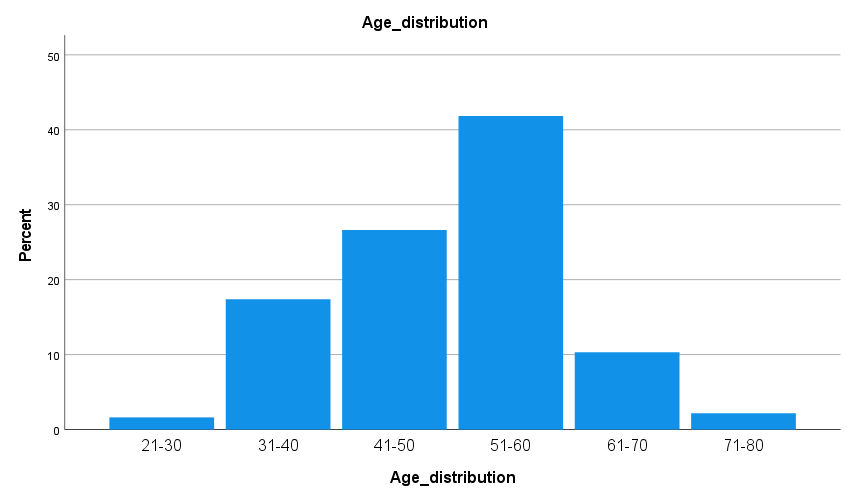
Figure: 1. Age distribution of patients undergoing CABG surgery.
The figure 2 represents a histogram that shows the weight distribution of the study population (N = 184). The data follows a roughly normal distribution, with most values concentrated around the mean weight of 64.18 kg. The standard deviation (13.93 kg) indicates a moderate spread of values.
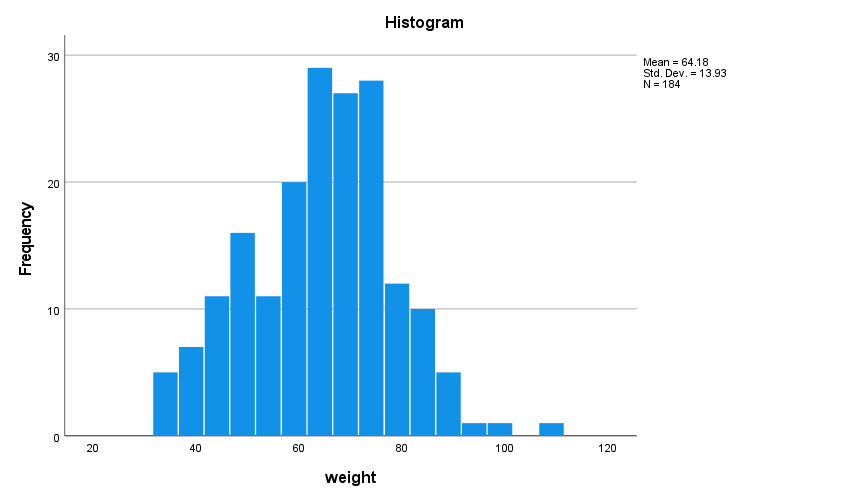
Figure: 2. Weight distribution of patients undergoing CABG surgery.
DISCUSSION
The study was carried out on 184 patients after cardiac bypass surgery (CABG) and its main goal was to determine if there is a connection between the time of cardiopulmonary bypass (CPB) and patients' kidney function following the surgery. The significant changes in the levels after the operation included an increase in creatinine and BUN. However, the duration of CPB did not affect postoperative creatinine or renal function to a statistically significant degree.
More than a half of the patients were between 51 and 60 years of age (41.8%) and a quarter were in the range 41-50 years (26.6%). Getting older has also proven to be one of the risk factors in developing acute kidney injury (AKI) after a heart surgery as previously reported [16,17]. Still, in this study the description of age groups was the only concern and age itself was not the focus of analysis.
Our study found that postoperative creatinine levels increased significantly compared to preoperative values (0.894 ± 0.22 mg/dL vs. 1.045 ± 0.308 mg/dL, p < 0.001), and BUN levels also showed a statistically significant rise (35.15 ± 9.6 mg/dL vs. 37.31 ± 10.65 mg/dL, p < 0.001). These findings align with previous studies suggesting that even minor elevations in creatinine levels post-CABG can be associated with worse patient outcomes. [18] The mean difference of Creatinine levels between pre and post CABG patients indicates that, on average, the creatinine levels increased by 0.1505 mg/dL after the surgery. Research indicates that after adjustment of pre-operative AKI risk factors, a 15% increase in immediate post-operative blood creatinine levels was significantly associated with a 7-fold increase in the probability that AKI would occur (OR 7.17; 95% CI 1.27–40.32; p = 0.025) [19].
Renal function indicator is used for montoring urine output during CAGB. In our study, urine output showed a negative correlation with post-CPB creatinine levels (r = -0.16, p < 0.001). Research showing that low intraoperative urine output is associated with a higher risk of AKI due to inadequate renal perfusion [20]. A non-significant association was found between post-bypass creatinine levels and CPB duration (r = -0.025, 95% CI: -0.159 to 0.101, p = 0.73), suggesting that while CABG affects renal function. The present study did not identify a statistically significant association between CPB duration and postoperative creatinine levels
This supports the idea that other perioperative factors, such as fluid management, inflammatory response, and patient comorbidities, may play a more crucial role in determining renal outcomes. Additionally, the Chi square test results indicate that the majority of post-CABG patients (171 out of 184) did not develop renal dysfunction, regardless of the duration of cardiopulmonary bypass (CPB). Only 13 patients experienced renal dysfunction, with no significant trend observed across different CABG time categories. The Chi-square test (p = 0.942) showed no statistically significant association between CPB duration and renal dysfunction.
Advances in fluid balance strategies, perfusion techniques, and renal protective measures may have mitigated the traditional risks associated with prolonged CPB. The patients included in the study had normal renal function preoperatively, potentially reducing the likelihood of postoperative AKI. While CPB duration is a contributing factor, other perioperative elements such as hemodynamic fluctuations, inflammatory responses, nephrotoxic medication use, and comorbidities (e.g., diabetes, hypertension) likely play a more dominant role in postoperative renal function decline [21].
A non-significant association does not establish the absence of an association. Please revise this statement to reflect that no statistically significant association was observed in the present study. [22]. This study involved a matched-pair analysis of 1,428 CABG patients, found that cardiopulmonary bypass (CPB) itself, as well as its duration, are not independent risk factors for developing postoperative AKI.
Additionally, the severity of AKI was not influenced by the use of CPB. These findings suggest that other factors, such as patient comorbidities and perioperative management (cross-clamp time, low perfusion pressure, hemodilution), may play a more significant role in determining renal outcomes post-CABG rather than CPB alone.
Another study [23], showed that patients with either kidney insufficiency or underlying disorders like diabetes and hypertension are less than those without such conditions likely to suffer from kidney injury after undergoing CABG operation, no matter how long they remained on CPB.
Although the current findings suggest that CPB duration alone is not a primary determinant of renal dysfunction in this participants, further research with larger sample sizes and comprehensive risk stratification is needed. The findings of this work require validation in larger studies involving diverse patient groups, and further refine renal protection strategies in CABG patients. Further study with a larger sample size and adjustments for confounding variables such as perfusion strategies, intraoperative hemodynamics, temperature changes, pump flow rates, medications and other patient-specific risk factors, is recommended. More studies are required not only to reveal the hidden mechanisms but also to perfect perioperative measures that can lessen the occurrence of renal problems in patients having CABG operation.
CONCLUSION
Our study underscores the complex and multifaceted etiology of Renal dysfunction in patients following ON-pump cardiac surgery. A non-significant association was observed between bypass time and postoperative creatinine levels, challenging the conventional belief that prolonged bypass increases renal risk. The low prevalence (7.07%) of renal dysfunction in the current study may indicate that patient selection, perioperative strategies and medications effectively reduced the risks associated with prolonged CPB time. The study acknowledge that postoperative renal dysfunction is multifactorial and influenced by several patient- and procedure-related factors that were not adjusted for in the analysis.
Author Contributions:
HBH, ABH, FS.
Each author made substantial contributions to the conception and design of the study, or acquisition, analysis, and interpretation of data.
All authors were involved in drafting the manuscript or critically revising it for important intellect content.
All authors approved the final version of the manuscript to be published and agree to be accountable for all aspects of the work.
REFERENCES
- Cheruku SR, Raphael J, Neyra JA, Fox AA. Acute Kidney Injury after Cardiac Surgery: Prediction, Prevention, and Management. Anesthesiology. 2023 Dec 1;139(6):880–98. doi:10.1097/ALN.0000000000004734, PubMed PMID: 37812758. https://pubmed.ncbi.nlm.nih.gov/37812758/
- Engoren M, Habib RH, Arslanian-Engoren C, Kheterpal S, Schwann TA. The effect of acute kidney injury and discharge creatinine level on mortality following cardiac surgery. Crit Care Med. 2014;42(9):2069–74. doi:10.1097/CCM.0000000000000409 PubMed PMID: 24810529. https://pubmed.ncbi.nlm.nih.gov/24810529/
- Makris K, Spanou L. Acute Kidney Injury: Definition, Pathophysiology and Clinical Phenotypes. Clin Biochem Rev. 2016 May;37(2):85. PubMed PMID: 28303073. https://pubmed.ncbi.nlm.nih.gov/28303073/
- Brown JR, Baker RA, Shore-Lesserson L, Fox AA, Mongero LB, Lobdell KW, et al. The Society of Thoracic Surgeons/Society of Cardiovascular Anesthesiologists/American Society for Extracorporeal Technology Clinical Practice Guidelines for the Prevention of Adult Cardiac Surgery-Associated Acute Kidney Injury. Anesth Analg. 2023 Jan 1;136(1):176–84. doi:10.1213/ANE.0000000000006286, PubMed PMID: 36534719. https://pubmed.ncbi.nlm.nih.gov/36534719/
- Venkataraman R, Kellum JA. Defining acute renal failure: The RIFLE criteria. J Intensive Care Med. 2007 Jul;22(4):187–93. doi:10.1177/0885066607299510, PubMed PMID: 17712054. https://pubmed.ncbi.nlm.nih.gov/17712054/
- Kallel S, Triki Z, Abdenadher M, Frikha I, Jemel A, Karoui A. L’insuffisance rénale aiguë après chirurgie cardiaque : évaluation des critères RIFLE. Nephrol Ther. 2013 Apr 1;9(2):108–14. doi:10.1016/J.NEPHRO.2012.06.006 PubMed PMID: 22921449. https://pubmed.ncbi.nlm.nih.gov/22921449/
- Bellomo R, Ronco C, Kellum JA, Mehta RL, Palevsky P. Acute renal failure - definition, outcome measures, animal models, fluid therapy and information technology needs: the Second International Consensus Conference of the Acute Dialysis Quality Initiative (ADQI) Group. Crit Care. 2004;8(4). doi:10.1186/CC2872, PubMed PMID: 15312219. https://pubmed.ncbi.nlm.nih.gov/15312219/
- Lopes JA, Jorge S. The RIFLE and AKIN classifications for acute kidney injury: A critical and comprehensive review. Clin Kidney J. 2013 Feb;6(1):8–14. doi:10.1093/CKJ/SFS160, https://pubmed.ncbi.nlm.nih.gov/27818745/
- Khwaja A. KDIGO clinical practice guidelines for acute kidney injury. Nephron Clin Pract. 2012 Oct;120(4). doi:10.1159/000339789, PubMed PMID: 22890468. https://pubmed.ncbi.nlm.nih.gov/22890468/
- Lee Y, Kim SH, Hwang HY, Sohn SH, Choi JW, Kim KH. Perfusion parameters during cardiopulmonary bypass as a predictor of acute kidney injury after aortic valve replacement. Acute and Critical Care. 2021 Aug 1;36(3):242–8. doi:10.4266/ACC.2021.00094, https://pubmed.ncbi.nlm.nih.gov/34380189/
- Scurt FG, Bose K, Mertens PR, Chatzikyrkou C, Herzog C. Cardiac Surgery-Associated Acute Kidney Injury. Kidney360. 2024 Jun 1;5(6):909–26. doi:10.34067/KID.0000000000000466, PubMed PMID: 38689404. https://pubmed.ncbi.nlm.nih.gov/38689404/
- Gude D, Jha R. Acute kidney injury following cardiac surgery. Ann Card Anaesth. 2012 Oct;15(4):279–86. doi:10.4103/0971-9784.101874 PubMed PMID: 23041685. https://pubmed.ncbi.nlm.nih.gov/23041685/
- Liu T, Fu Y, Liu J, Liu Y, Zhu J, Sun L, et al. Body mass index is an independent predictor of acute kidney injury after urgent aortic arch surgery for acute DeBakey Type I aortic dissection. J Cardiothorac Surg. 2021 Dec 1;16(1):1–10. doi:10.1186/S13019-021-01533-8/FIGURES/3 PubMed PMID: 34039381. https://pmc.ncbi.nlm.nih.gov/articles/PMC8157744
- Neugarten J, Sandilya S, Singh B, Golestaneh L. Sex and the risk of AKI following cardio-thoracic surgery: A meta-analysis. Clinical Journal of the American Society of Nephrology. 2016;11(12):2113–22. doi:10.2215/CJN.03340316, PubMed PMID: 27797892. https://pubmed.ncbi.nlm.nih.gov/27797892/
- Boldt J, Brenner T, Lehmann A, Suttner SW, Kumle B, Isgro F. Is kidney function altered by the duration of cardiopulmonary bypass? Annals of Thoracic Surgery. 2003 Mar 1;75(3):906–12. doi:10.1016/S0003-4975(02)04559-9 PubMed PMID: 12645715. https://pubmed.ncbi.nlm.nih.gov/12645715/
- Karim H, Yunus M, Saikia M, Kalita J, Mandal M. Incidence and Progression of Cardiac Surgery-associated Acute Kidney Injury and its Relationship with Bypass and Cross Clamp Time. Ann Card Anaesth. 2017 Jan 1;20(1):22. doi:10.4103/0971-9784.197823 PubMed PMID: 28074790. https://pubmed.ncbi.nlm.nih.gov/28074790/
- Kim N, Dai SY, Pang V, Mazer CD. Vasopressinase Activity: A Potential Early Biomarker for Detecting Cardiopulmonary Bypass-Associated Acute Kidney Injury? Thoracic and Cardiovascular Surgeon. 2016 Oct 1;64(7):555–60. doi:10.1055/S-0035-1564446, PubMed PMID: 26366890. https://pubmed.ncbi.nlm.nih.gov/26366890/
- Chertow GM. Independent association between acute renal failure and mortality following cardiac surgery. American Journal of Medicine. 1998;104(4):343–8. doi:10.1016/S0002-9343(98)00058-8 PubMed PMID: 9576407. https://pubmed.ncbi.nlm.nih.gov/9576407/
- Hix JK, Thakar C V., Katz EM, Yared JP, Sabik J, Paganini EP. Effect of off-pump coronary artery bypass graft surgery on postoperative acute kidney injury and mortality. Crit Care Med. 2006;34(12):2979–83. doi:10.1097/01.CCM.0000248905.67352.BA PubMed PMID: 17075372. https://pubmed.ncbi.nlm.nih.gov/17075372/
- Lombardi R, Ferreiro A, Servetto C. Renal function after cardiac surgery: Adverse effect of furosemide. Ren Fail. 2003;25(5):775–86. doi:10.1081/JDI-120024293, PubMed PMID: 14575286. https://pubmed.ncbi.nlm.nih.gov/14575286/
- Rosner MH, Okusa MD. Acute kidney injury associated with cardiac surgery. Clin J Am Soc Nephrol. 2006;1(1):19–32. doi:10.2215/CJN.00240605, PubMed PMID: 17699187. https://pubmed.ncbi.nlm.nih.gov/17699187/
- Jacob KA, Leaf DE. Prevention of Cardiac Surgery-Associated Acute Kidney Injury: A Review of Current Strategies. Anesthesiol Clin. 2019 Dec 1;37(4):729–49. doi:10.1016/J.ANCLIN.2019.08.007, PubMed PMID: 31677688. https://pmc.ncbi.nlm.nih.gov/articles/PMC7644277/
- Loef BG, Henning RH, Navis G, Rankin AJ, Van Oeveren W, Ebels T, et al. Changes in glomerular filtration rate after cardiac surgery with cardiopulmonary bypass in patients with mild preoperative renal dysfunction. Br J Anaesth. 2008;100(6):759–64. doi:10.1093/bja/aen081 PubMed PMID: 18400810. https://pubmed.ncbi.nlm.nih.gov/18400810/
- Urzua J, Troncoso S, Bugedo G, Canessa R, Mufioz H, Lema G, et al. Renal Function and Cardiopulmonary Bypass: Effect of Perfusion Pressure. 1992. https://pubmed.ncbi.nlm.nih.gov/1610995/
- Axtell AL, Fiedler AG, Melnitchouk S, D’Alessandro DA, Villavicencio MA, Jassar AS, et al. Correlation of cardiopulmonary bypass duration with acute renal failure after cardiac surgery. Journal of Thoracic and Cardiovascular Surgery. 2020 Jan 1;159(1):170-178.e2. doi:10.1016/j.jtcvs.2019.01.072 PubMed PMID: 30826102. https://pubmed.ncbi.nlm.nih.gov/30826102/
- Virani SS, Alonso A, Aparicio HJ, Benjamin EJ, Bittencourt MS, Callaway CW, et al. Heart Disease and Stroke Statistics - 2021 Update: A Report From the American Heart Association. Circulation. 2021 Feb 23;143(8):E254–743. doi:10.1161/CIR.0000000000000950, PubMed PMID: 33501848. https://pubmed.ncbi.nlm.nih.gov/33501848/
- Ge Ng RR, Huey Chew ST, Liu W, Kah Ti L. Persistent kidney injury at hospital discharge after cardiac surgery with cardiopulmonary bypass in patients with normal preoperative serum creatinine and normal estimated glomerular filtration rate. J Cardiothorac Vasc Anesth. 2014 Dec 1;28(6):1453–8. doi:10.1053/j.jvca.2014.05.007 PubMed PMID: 25263770. https://pubmed.ncbi.nlm.nih.gov/25263770/
- Lassnigg A, Schmidlin D, Mouhieddine M, Bachmann LM, Druml W, Bauer P, et al. Minimal changes of serum creatinine predict prognosis in patients after cardiothoracic surgery: a prospective cohort study. J Am Soc Nephrol. 2004;15(6):1597–605. doi:10.1097/01.ASN.0000130340.93930.DD PubMed PMID: 15153571. https://pubmed.ncbi.nlm.nih.gov/15153571/
- Grynberg K, Polkinghorne KR, Ford S, Stenning F, Lew TE, Barrett JA, et al. Early serum creatinine accurately predicts acute kidney injury post cardiac surgery. BMC Nephrol. 2017;18(1). doi:10.1186/s12882-017-0504-y https://pubmed.ncbi.nlm.nih.gov/28302078/
- O’Neal JB, Shaw AD, Billings FT. Acute kidney injury following cardiac surgery: current understanding and future directions. Crit Care. 2016 Jul 4;20(1):187. doi:10.1186/S13054-016-1352-Z PubMed PMID: 27373799. https://pubmed.ncbi.nlm.nih.gov/27373799/
- Schopka S, Diez C, Camboni D, Floerchinger B, Schmid C, Hilker M. Impact of cardiopulmonary bypass on acute kidney injury following coronary artery bypass grafting: a matched pair analysis. J Cardiothorac Surg. 2014 Jan 18;9(1):20. doi:10.1186/1749-8090-9-20 PubMed PMID: 24438155. https://pubmed.ncbi.nlm.nih.gov/24438155/
- O’Neal JB, Shaw AD, Billings FT. Acute kidney injury following cardiac surgery: current understanding and future directions. Crit Care. 2016 Jul 4;20(1). doi:10.1186/S13054-016-1352-Z PubMed PMID: 27373799. https://pubmed.ncbi.nlm.nih.gov/27373799/